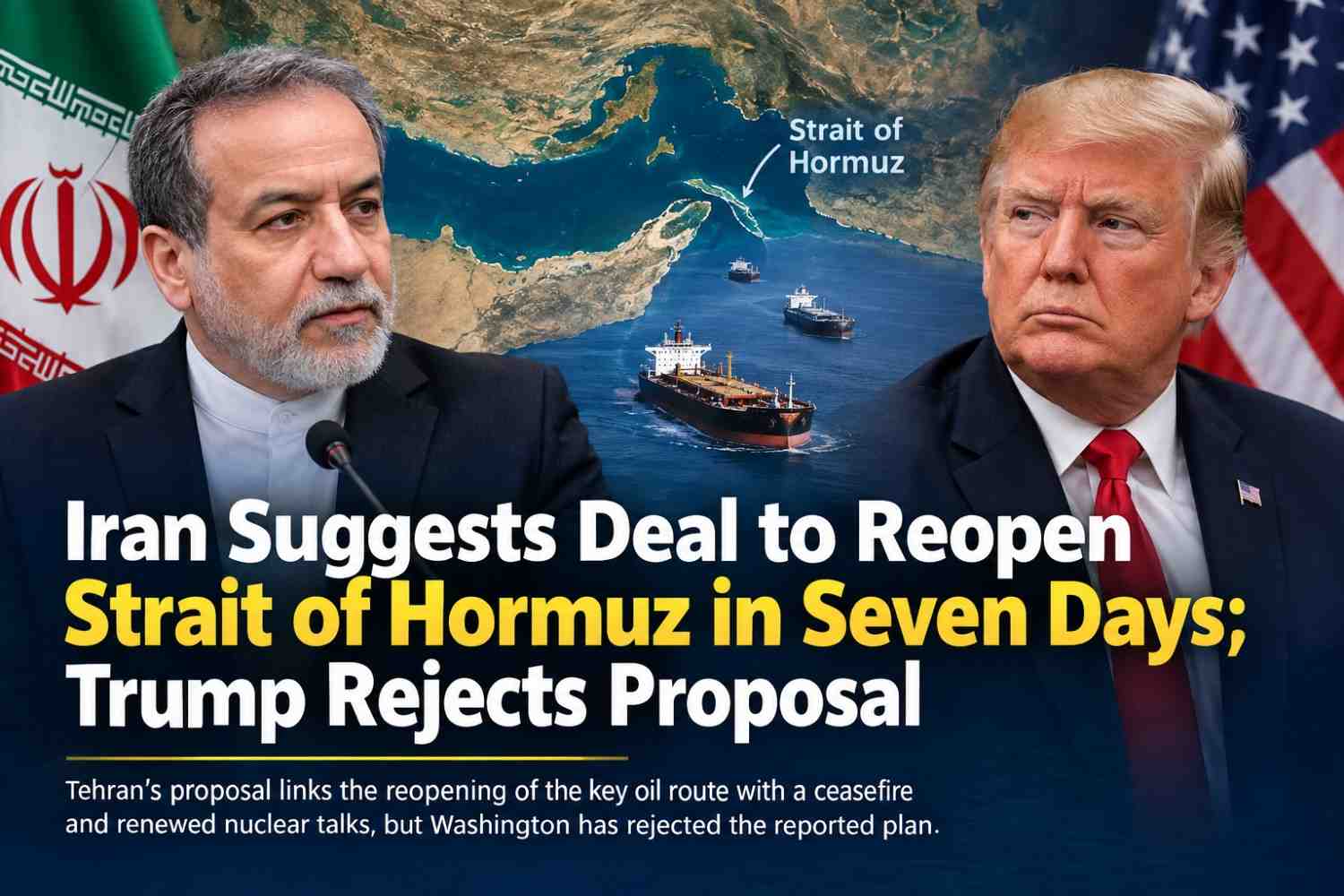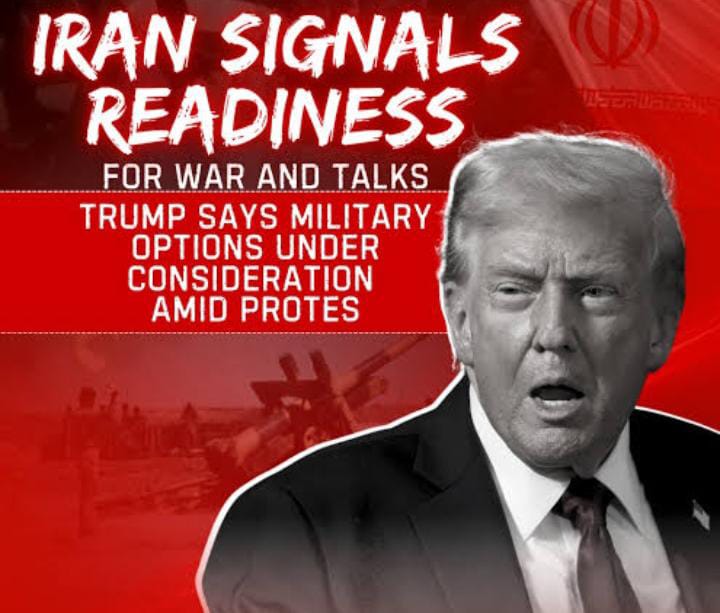
The United States has sharply escalated its warning to Iran after President Donald Trump revealed that a major American naval force is moving in the direction of the Middle East, a statement that has reignited global concerns over rising geopolitical tensions.
Speaking to reporters, President Trump said the US has a powerful “armada” positioned toward Iran, stressing that Washington is closely monitoring developments inside the country. While the president emphasized that the United States does not seek war, his remarks underscored a clear message: America is prepared to act if Iran crosses certain red lines.
Protests and Human Rights Concerns at the Core
At the heart of the renewed standoff lies Iran’s internal crisis. Since late 2025, Iran has witnessed widespread anti-government protests across multiple cities. International human rights groups claim that thousands of people have been killed during security crackdowns, allegations that have drawn strong condemnation from Western governments.
Trump directly linked the US military posture to these developments, warning that continued violence against protesters could trigger international consequences. He framed the issue not only as a regional security concern but also as a moral and humanitarian one, signaling that Washington is unwilling to ignore what it views as severe abuses.
Nuclear Program Raises Strategic Alarm
Adding to the tension is renewed anxiety over Iran’s nuclear ambitions. US officials fear that Tehran may attempt to restart or accelerate parts of its nuclear program, which Washington considers an unacceptable threat to regional and global security.
President Trump reiterated that the nuclear issue remains a top priority for the US administration. He warned that any move by Iran to revive weapons-grade nuclear activities would invite a strong response, reinforcing a long-standing American position that Iran must never be allowed to develop nuclear weapons.
Military Signaling, Not Immediate War
Despite the strong language, US officials have clarified that the deployment of naval assets should be seen primarily as a deterrent rather than an immediate prelude to conflict. The presence of aircraft carriers and guided-missile destroyers is intended to send a signal of readiness and to discourage escalation, rather than to provoke direct confrontation.
Iran, however, has responded defiantly. Senior Iranian commanders have stated that the country’s armed forces are on high alert and capable of responding decisively to any aggression. Tehran continues to insist that its nuclear activities are peaceful and that the protests are being fueled by foreign interference.
Global Impact and Market Reaction
The sharp rhetoric has already had ripple effects beyond diplomacy. Global oil prices reacted nervously as traders weighed the risk of instability in the Middle East, a region critical to global energy supply. Analysts warn that any military miscalculation could disrupt shipping routes and further strain already fragile global markets.
A Delicate Moment for Global Stability
The current standoff reflects a familiar but dangerous pattern in US-Iran relations: military pressure combined with diplomatic ambiguity. While Trump has kept the door open for talks, his administration’s hardline messaging suggests that patience is limited.
As tensions rise, the world watches closely. Whether this moment becomes another episode of strategic posturing or escalates into a broader conflict will depend on decisions made in Washington and Tehran in the coming weeks. For now, the presence of an American “armada” stands as a powerful reminder of how quickly political crises can turn into global flashpoints.
"The decisions we make today will shape the world for generations to come."