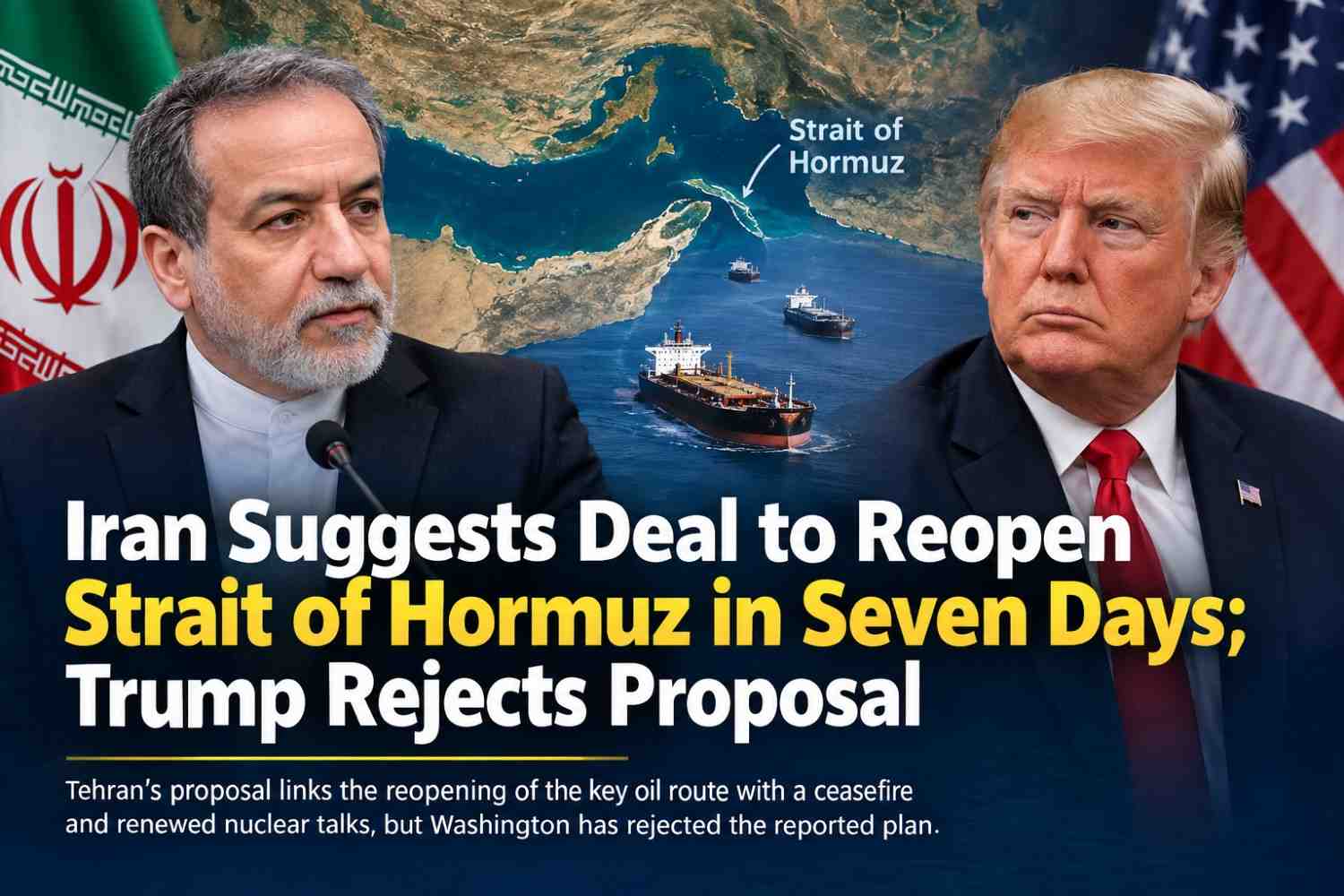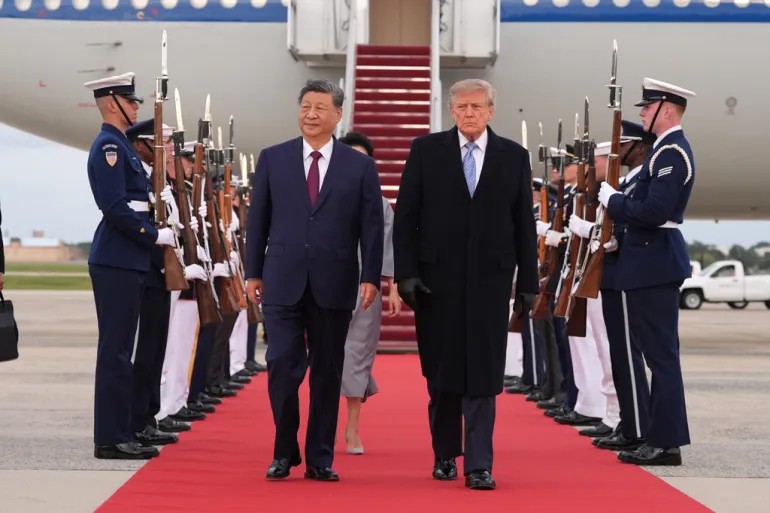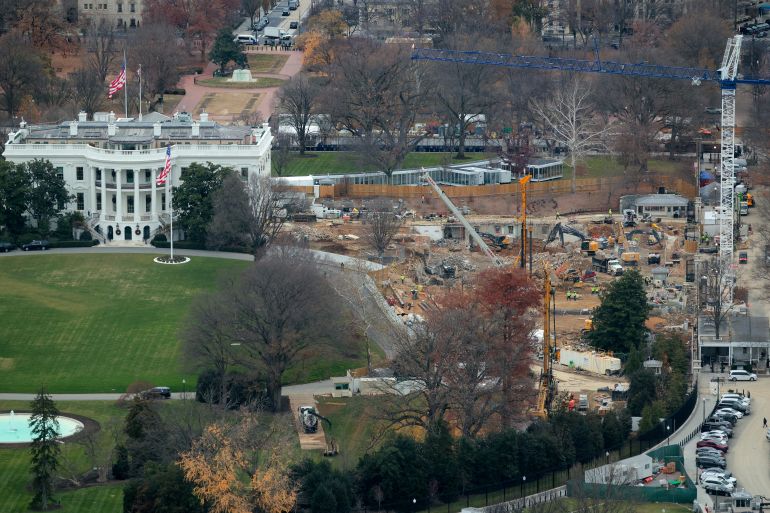
On February 17, 2026, the foreign policy spotlight turned sharply toward Washington as President Donald Trump advanced discussions surrounding Iran’s nuclear ambitions while simultaneously shaping America’s role in the Ukraine conflict.
Diplomatic Pressure on Tehran
U.S. officials signaled cautious engagement with Iran aimed at preventing further nuclear escalation. Intelligence assessments have raised concerns about uranium enrichment progress, prompting renewed urgency in diplomatic channels.
Rather than returning to previous frameworks wholesale, the Trump administration appears to favor a modified agreement structure — one that emphasizes stricter oversight and shorter compliance timelines. Economic sanctions remain a central tool in negotiations, serving both as leverage and deterrent.
The broader Middle East remains tense, with energy markets reacting to every diplomatic update. Any breakthrough — or breakdown — could significantly influence oil prices and regional alliances.
Reframing the Ukraine Approach
In Eastern Europe, the White House is reportedly evaluating alternative pathways to manage the ongoing war in Ukraine. President Trump has repeatedly expressed interest in facilitating talks aimed at halting the conflict.
The administration’s messaging suggests a desire to reduce direct financial and military burdens while encouraging European nations to assume greater responsibility. This recalibration has sparked debate domestically and internationally regarding America’s long-term strategic commitments.
Supporters argue that diplomacy could shorten the war’s timeline. Critics caution that premature concessions might embolden aggression.
A Defining Foreign Policy Moment
The simultaneous handling of Iran and Ukraine underscores the high-stakes balancing act facing the Trump presidency. The coming months will likely determine whether Washington’s recalibrated strategy fosters stability or fuels further uncertainty.
As negotiations unfold, global investors, allied governments, and security experts remain alert to signals from the White House. February 17 may ultimately be remembered as a pivotal moment in shaping the trajectory of U.S. foreign policy in 2026.
"The decisions we make today will shape the world for generations to come."